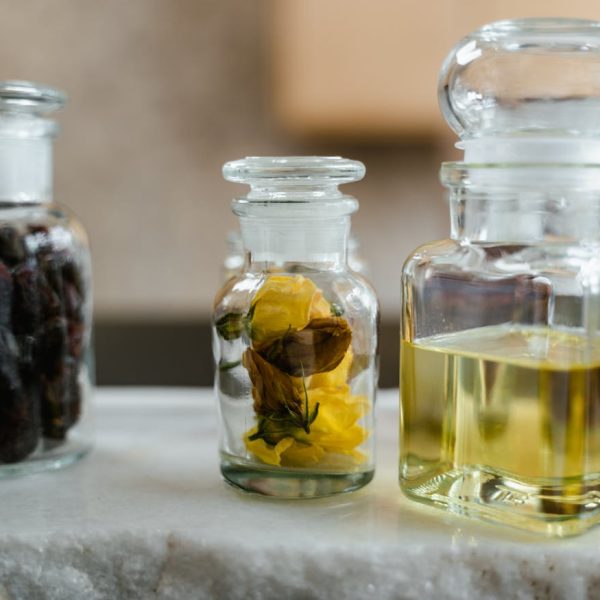
DIY Herbal Remedies: Simple Recipes for Everyday Ailments
Herbal remedies have been trusted for generations to address common health concerns. With just a few ingredients and a little know-how, you can create effective treatments for everyday ailments right at home. This guide provides easy-to-follow recipes for some of the most common issues, helping you embrace natural solutions.
Why Choose DIY Herbal Remedies?
Making your own remedies comes with numerous benefits:
- Cost-Effective: Homemade remedies are often cheaper than store-bought options.
- Customizable: You can tailor the recipes to your specific needs and preferences.
- Natural Ingredients: Avoid synthetic chemicals and use pure, natural components.
By preparing remedies yourself, you’ll also develop a deeper connection to the healing power of herbs.
Essential Ingredients for DIY Herbal Remedies
Before diving into the recipes, it’s helpful to stock up on a few basic supplies. Here’s what you’ll need:
- Dried or fresh herbs (chamomile, peppermint, ginger, lavender, etc.)
- Carrier oils (coconut oil, olive oil, or almond oil)
- Beeswax (for salves and balms)
- Essential oils (optional for added potency and aroma)
- A fine strainer or cheesecloth
- Glass jars or bottles for storage
With these tools and ingredients, you’re ready to start creating your own herbal remedies.
Recipe 1: Soothing Chamomile Tea for Stress Relief
Chamomile is well-known for its calming properties, making it perfect for reducing stress and promoting better sleep.
Ingredients:
- 1 tablespoon dried chamomile flowers
- 1 cup boiling water
- Optional: honey or lemon for taste
Instructions:
- Place the dried chamomile flowers in a mug.
- Pour the boiling water over the flowers and let it steep for 5-10 minutes.
- Strain the tea and add honey or lemon if desired.
- Sip slowly and relax.
Recipe 2: Peppermint Oil Rub for Headaches
Peppermint is a go-to herb for alleviating tension headaches thanks to its cooling and soothing properties.
Ingredients:
- 2 tablespoons carrier oil (coconut or almond oil)
- 5-6 drops peppermint essential oil
Instructions:
- Mix the carrier oil and peppermint essential oil in a small bowl.
- Massage a small amount onto your temples and the back of your neck.
- Avoid contact with your eyes and enjoy the relief.
Recipe 3: Ginger Honey Syrup for Sore Throats
Ginger’s anti-inflammatory and antimicrobial properties make it ideal for soothing sore throats.
Ingredients:
- 1 cup water
- 2-inch piece of fresh ginger, sliced
- ½ cup honey
Instructions:
- Boil the water and ginger slices in a saucepan for 10 minutes.
- Remove from heat and strain the liquid into a jar.
- Stir in the honey until fully dissolved.
- Take 1-2 teaspoons as needed for sore throat relief. Store in the refrigerator for up to a week.
Recipe 4: Lavender Sleep Spray
Lavender is renowned for its ability to promote relaxation and improve sleep quality. This spray can be used on pillows or as a room mist.
Ingredients:
- 1 cup distilled water
- 10 drops lavender essential oil
- 1 teaspoon witch hazel (optional, for better mixing)
Instructions:
- Combine all ingredients in a spray bottle and shake well.
- Lightly spray your pillow or bedroom before bedtime.
- Breathe deeply and enjoy the calming aroma.
Recipe 5: Calendula Healing Salve for Cuts and Scrapes
Calendula’s antimicrobial and skin-healing properties make it perfect for minor wounds and skin irritations.
Ingredients:
- ½ cup dried calendula flowers
- 1 cup olive oil
- 1 tablespoon beeswax
Instructions:
- Infuse the olive oil with calendula flowers by gently heating them together in a double boiler for 1-2 hours.
- Strain the oil and return it to the double boiler.
- Add the beeswax and stir until melted.
- Pour the mixture into a clean jar and let it cool.
- Apply to cuts and scrapes as needed.
Safety Tips for DIY Herbal Remedies
While herbs are natural, they should still be used with care:
- Patch Test: Before using any topical remedy, test a small amount on your skin to check for allergic reactions.
- Consult a Professional: If you have underlying health conditions or are pregnant, seek advice from a healthcare provider before using herbal remedies.
- Store Properly: Keep your remedies in a cool, dark place to maintain their potency.
- Use Fresh Ingredients: Ensure that your herbs and oils are fresh to maximize their effectiveness.
Final Thoughts
Creating your own herbal remedies is an empowering way to take charge of your health. By using these simple recipes, you can address everyday ailments naturally and effectively. So, gather your ingredients, start experimenting, and enjoy the journey to holistic wellness.