
 By
By Understanding Febrile Convulsions in Children: What Every Parent Should Know
The experience of seeing your child develop a seizure during a fevering episode makes most parents completely terrified. Parents of children aged between six months and five years old frequently worry about febrile convulsions. The seizures occur because of rapid body temperature increases, but their duration remains brief while they create high levels of distress. Parents can overcome their anxiety through learning about the seizure triggers and appropriate treatment methods and the proper times for seeking medical treatment.
What Are Febrile Convulsions?
A febrile convulsion describes a seizure that happens in a child who has a fever reaching 1004°F 38°C or higher but who does not have any brain infection. The child loses consciousness while shaking and developing stiff muscles, which makes the situation very scary.
Most febrile convulsions last less than five minutes and do not cause lasting neurological damage.
There are two main types of febrile seizures:
Simple febrile seizures – These are brief generalized seizures which affect the whole body and typically last less than 15 minutes. The condition includes complex febrile seizures which are less common and longer than 15 minutes and affect only part of the body and occur more than once within a 24-hour period.
Understanding the difference helps parents assess whether their child needs immediate medical assistance.
Common Causes and Triggers
Most febrile convulsions begin when a child experiences a sudden temperature increase because of an infection which can include a cold or flu or ear infection. Other factors may include:
Genetic predisposition – children with a family history of febrile seizures are more likely to experience them.
The medical community understands that fever leads to seizures, but the mechanism which creates this response in some children while sparing others remains a mystery. Researchers believe that immature brain cells and rapid temperature changes contribute significantly.
How to Respond During a Febrile Convulsion
The experience of witnessing your child develop a seizure creates overwhelming feelings. The key steps which should be taken during this situation help protect everyone involved:
Stay calm – Your composure helps your child recover faster. The safe surface for your child should be a bed or carpeted floor because these surfaces provide better protection than hard surfaces. The act of turning a child to their side position serves to protect against choking hazards which emerge during vomiting episodes. The natural seizure process should not experience any movement limitations.
Most febrile convulsions resolve without needing medical treatment, yet the appearance of the convulsion makes it seem like a serious condition.
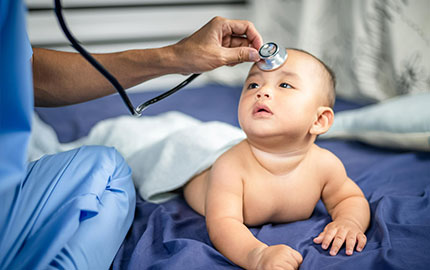
febrile convulsions
Post-Seizure Care and Prevention
After the seizure ends, your child may show signs of sleepiness or irritability. Give them time to sleep while you observe them for any signs of developing new symptoms. The following preventive measures exist:
The treatment of fever needs to happen immediately through the use of acetaminophen or ibuprofen. The child requires continuous fluid intake and stays comfortable during their medical condition. The pediatrician needs to be contacted after the seizure for both assessment and peace of mind.
The medical professionals predict that children who experience febrile convulsions will have good outcomes, yet most children will stop having these episodes by age five.
Conclusion
Febrile convulsions create extreme distressing situations for parents, but these symptoms occur because of fevering episodes and do not indicate any serious health issues. The ability to manage seizure episodes depends on parents who understand what causes the seizures and how to identify symptoms and what actions to take during a seizure. Medical advice should be obtained after every seizure incident because most febrile seizures do not cause harm to patients, yet this ensures your child remains safe and healthy. The experience of fear becomes controllable through parents who understand their situation because they will achieve peace of mind together with their child.


