
 By
By Childhood Apraxia of Speech: What Parents Should Know
When your child struggles to say words clearly, it can leave you feeling unsure about what to do next. You may notice your child understands instructions but cannot express thoughts clearly. In some cases, the reason may be Childhood Apraxia of Speech, a motor speech disorder that affects how the brain coordinates the movements needed for speech. The good news is that with the right support and early intervention, children can make steady and meaningful progress.
What Is Childhood Apraxia of Speech?
Childhood Apraxia of Speech (CAS) is a neurological condition that impacts motor planning. It is not caused by weak muscles. Instead, the brain has difficulty planning and sequencing the precise movements required for speech.
Children with CAS often produce inconsistent sound errors. A word may be spoken clearly once and incorrectly the next time. Longer words are usually more difficult, and speech may sound effortful or robotic. These patterns distinguish CAS from typical speech delays.
Understanding the nature of Childhood Apraxia of Speech is the first step toward choosing the right therapy approach.
Early Signs to Look For
Parents are often the first to recognize when speech development is not progressing as expected. Signs of Childhood Apraxia of Speech may include limited babbling as an infant, difficulty imitating sounds, trouble combining sounds into words, inconsistent pronunciation, and noticeable frustration when trying to communicate.
Some children may simplify words or leave out sounds. Others may pause frequently as they attempt to coordinate speech movements. Because these signs can overlap with other speech disorders, a comprehensive evaluation by a qualified speech-language therapist is essential.
Why Early Intervention Matters
Early therapy improves outcomes for children with Childhood Apraxia of Speech. The brain is highly adaptable in early childhood, making it an ideal time to strengthen motor pathways responsible for speech.
Without intervention, children may develop frustration, avoid speaking situations, or experience challenges with literacy later on. Early and consistent therapy supports clearer speech, stronger language skills, and improved confidence.
What Effective Therapy Looks Like
Therapy for Childhood Apraxia of Speech focuses on motor learning principles. Because CAS affects planning and sequencing, children benefit from frequent, repetitive practice of targeted sounds and words.
Sessions typically include structured practice with carefully selected word combinations. Therapists use visual cues, tactile prompts, and auditory modeling to guide accurate production. Over time, repeated practice strengthens the brain’s ability to coordinate speech movements more consistently.
Parents searching online for Pediatric Speech Therapy Near Me ,” should prioritize providers with experience in motor speech disorders. Individualized therapy plans ensure treatment aligns with each child’s unique needs and communication style.
The Power of Family Involvement
Family-centered therapy plays a crucial role in progress. Children with Childhood Apraxia of Speech need consistent practice beyond therapy sessions. Parents are taught simple, practical strategies to support speech goals during everyday routines.
For example, practicing short, functional words during playtime or meals creates natural repetition. These brief but consistent practice opportunities reinforce learning and build confidence. When families feel supported and informed, therapy becomes a collaborative and empowering process.
Supporting the Whole Child
Children with Childhood Apraxia of Speech may also experience other communication challenges. These can include articulation disorders, early language delays, literacy difficulties, stuttering, or differences in language processing.
A comprehensive therapy program addresses all areas of communication. Strengthening vocabulary, sentence structure, and early reading skills alongside motor speech work provides a balanced foundation. In some cases, Augmentative and Alternative Communication systems are introduced to support communication while speech skills develop. AAC tools reduce frustration and enhance participation without replacing verbal speech.
A Neurodiversity-Affirming, Child-Led Approach
A neurodiversity-affirming practice respects each child’s unique communication style. Therapy should empower children rather than pressure them to perform. A child-led approach builds trust and motivation, which are essential for motor learning.
When children are engaged in activities they enjoy, they are more likely to participate actively in speech practice. This positive environment promotes steady growth and long-term success.
In-home services can further enhance progress. Familiar settings allow children to practice communication skills in real-life contexts, making learning more meaningful and transferable.
Building Confidence Through Consistency
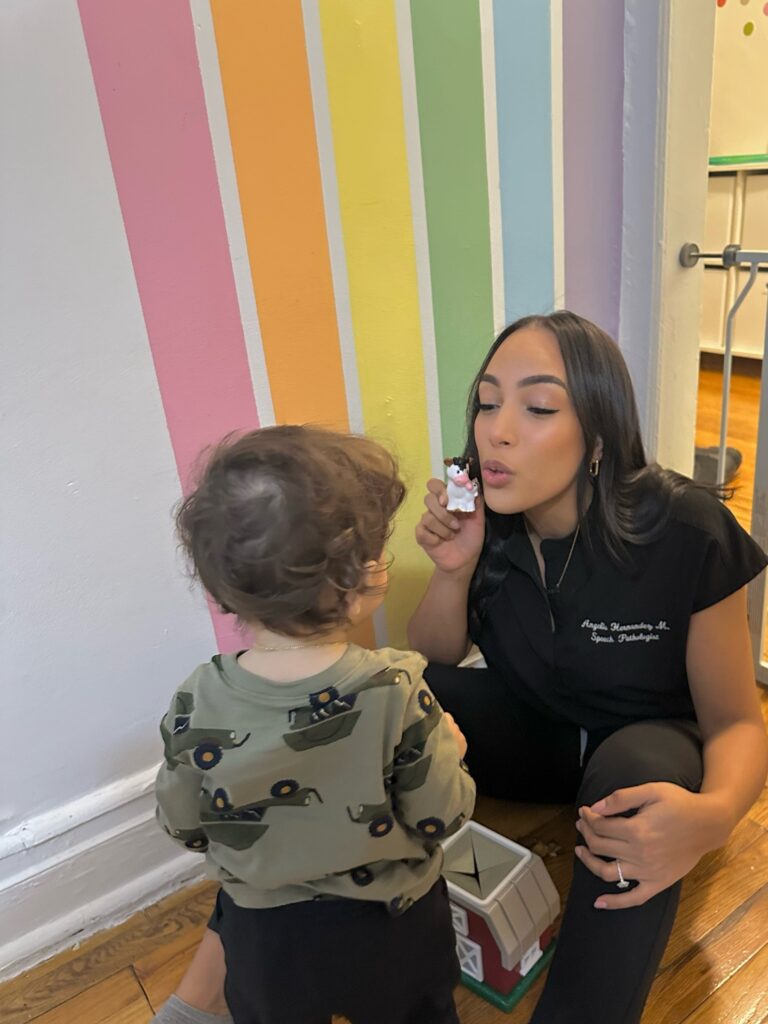
Progress in Childhood Apraxia of Speech does not happen overnight. Improvement occurs gradually through consistent, structured practice. Small gains, such as clearer pronunciation of specific sounds, eventually lead to broader improvements in overall speech clarity.
Celebrating these milestones keeps children motivated. Encouragement and patience are essential, as each child progresses at their own pace.
Taking the Next Step
If you suspect your child may have Childhood Apraxia of Speech, begin with a comprehensive speech-language evaluation. A detailed assessment will examine speech production, motor coordination, language skills, and communication strengths.
Based on the findings, an individualized treatment plan will be created. Therapy frequency and goals are tailored to your child’s needs. Ongoing collaboration between therapist and family ensures consistent progress.
Seeking support early can make a lasting difference in your child’s communication journey.
Conclusion
Childhood Apraxia of Speech can present challenges, but it does not limit your child’s potential. With early intervention, individualized therapy, and strong family involvement, children can develop clearer speech and stronger communication skills. A supportive, child-led, and neurodiversity-affirming approach provides the foundation needed for long-term growth and confidence.
Frequently Asked Questions
1. Is Childhood Apraxia of Speech permanent?
While CAS requires targeted therapy, many children make significant improvements with consistent intervention and support.
2. How is CAS diagnosed?
A licensed speech-language therapist conducts a detailed evaluation of speech sound production, motor planning skills, and language development.
3. Can children with CAS succeed in school?
Yes. With early therapy and appropriate support, children with CAS can develop strong communication skills that support academic and social success.


