
 By
By Restore Balance and Reduce Dizziness with Vestibular Therapy
Dizziness and balance problems can disrupt everyday life, making simple tasks challenging and sometimes dangerous. Whether caused by inner ear issues, neurological conditions, or age-related changes, these problems can reduce independence and confidence. At Performance Physical Therapy, vestibular therapy provides a specialized approach to addressing dizziness and balance disorders. This therapy helps patients regain stability, improve mobility, and enhance their quality of life.
Understanding Vestibular Therapy
Vestibular therapy is a type of rehabilitation designed specifically to treat conditions that affect the vestibular system, which controls balance and spatial orientation. Common issues treated include benign paroxysmal positional vertigo (BPPV), vestibular neuritis, labyrinthitis, and other inner ear disorders. A licensed vestibular therapist evaluates a patient’s symptoms, medical history, and balance function to develop a customized treatment plan.
This therapy focuses on retraining the brain to compensate for imbalances in the vestibular system. Through targeted exercises, patients learn to manage dizziness, reduce vertigo episodes, and improve coordination.
How Vestibular Therapy Works
The therapy uses a combination of techniques, including:
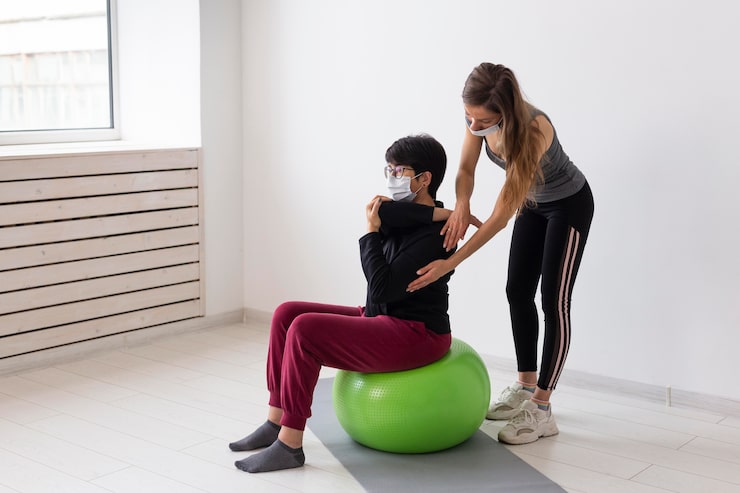
- Balance training: Exercises to strengthen stability and improve posture.
- Gaze stabilization exercises: Techniques to maintain visual focus while moving.
- Habituation exercises: Gradual exposure to movements that trigger dizziness to reduce sensitivity.
- Manual therapy: Hands-on techniques to improve inner ear function and alleviate symptoms.
The goal is to retrain the body and brain to work together more effectively, allowing patients to move safely and confidently in daily life.
Benefits of Vestibular Therapy
Undergoing vestibular therapy offers several benefits:
- Improved balance and coordination: Helps patients walk and move with confidence.
- Reduced dizziness and vertigo: Targeted exercises reduce the frequency and severity of symptoms.
- Enhanced daily function: Patients regain independence in tasks such as walking, climbing stairs, or driving.
- Long-term prevention: By strengthening balance systems, therapy can reduce the risk of falls and related injuries.
Patients often report feeling more confident and capable after completing a therapy program, making everyday activities safer and more manageable.
Physical Therapy for Dizziness
Alongside vestibular therapy, physical therapy for dizziness may be recommended. This approach focuses on improving strength, flexibility, and stability. Exercises may target core strength, lower body endurance, and coordination to enhance balance and reduce the risk of falls. Physical therapy also includes education on movement strategies, environmental adjustments, and lifestyle modifications to manage dizziness more effectively.
In many cases, combining vestibular therapy with physical therapy provides the most comprehensive results, addressing both the neurological and physical aspects of balance disorders.
Choosing the Right Provider
Selecting an experienced vestibular therapist is essential for safe and effective recovery. Performance Physical Therapy provides expert care with individualized programs tailored to each patient’s needs. Their therapists utilize evidence-based techniques and closely monitor progress to ensure optimal outcomes.
A personalized approach ensures that exercises are safe, effective, and appropriate for the patient’s condition and physical abilities. Patients also receive guidance for maintaining improvements and preventing future episodes of dizziness.
Signs You May Need Vestibular Therapy
Consider consulting a vestibular therapist if you experience:
- Frequent or sudden dizziness and vertigo
- Loss of balance or unsteady walking
- Difficulty performing daily activities due to imbalance
- Increased risk of falls, especially in older adults
- Persistent nausea or disorientation associated with movement
Early intervention can prevent complications, speed recovery, and help patients regain confidence more quickly.
Lifestyle and Home Strategies
In addition to formal therapy sessions, therapists often recommend home exercises and lifestyle adjustments. These may include:
- Practicing balance exercises safely at home
- Avoiding sudden head movements that trigger dizziness
- Using supportive devices, such as canes or railings, when necessary
- Staying hydrated and maintaining a healthy diet to support overall wellness
Incorporating these strategies can complement therapy and enhance recovery outcomes.
Summary
Vestibular therapy at Performance Physical Therapy provides an effective solution for dizziness and balance disorders. By addressing the underlying causes and offering a structured, personalized program, patients can experience improved stability, reduced vertigo, and greater independence. Combining vestibular therapy with physical therapy for dizziness further strengthens balance, coordination, and functional mobility, promoting long-term wellness. Early intervention and consistent therapy play key roles in achieving the best results.
FAQs
- How long does vestibular therapy take to show results?
Results vary depending on the severity and type of vestibular disorder, but many patients notice improvement within a few weeks of regular therapy. - Is vestibular therapy safe for older adults?
Yes, vestibular therapy is suitable for all ages, including older adults. Exercises are tailored to each patient’s abilities to ensure safety and effectiveness. - Can vestibular therapy prevent future dizziness episodes?
While outcomes depend on the underlying condition, therapy helps reduce the frequency and intensity of dizziness episodes by strengthening balance and retraining the brain.


