
 By
By How Does Sterility Testing Work for Lyophilized Peptides in Research Labs?
If you’ve ever pulled a vial from a batch that looked fine and still got contaminated assay results, you know exactly why sterility documentation matters. The problem isn’t always visible.
Microbial contamination in lyophilized peptide material is one of the more insidious sources of experimental error. Because the compound is freeze-dried, there’s no liquid phase to show turbidity, no cloudiness on reconstitution that would flag a problem. The contamination rides in silently. Cell viability assays, receptor binding studies, metabolic pathway experiments , all of them can produce garbage data from a vial that passed visual inspection but failed sterility.
Sterility testing exists to catch exactly that. Here’s how it actually works in a pharmaceutical-grade quality control context, and what it means when a peptide supplier claims their lyophilized peptide has passed it.
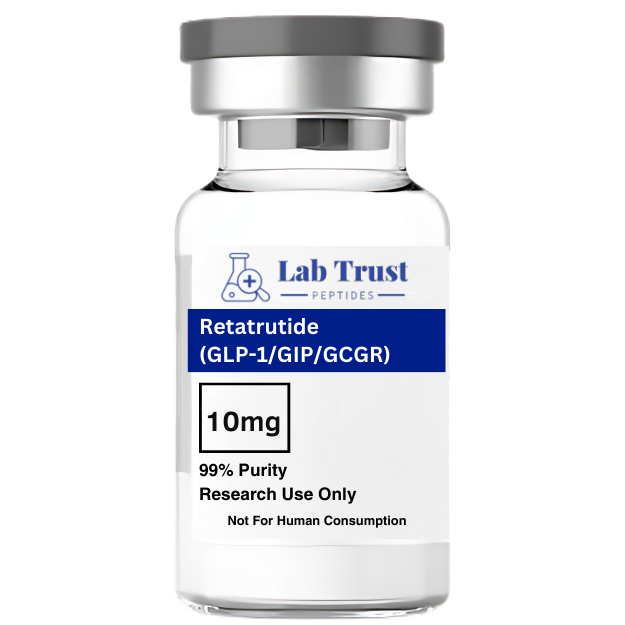
retatrutide peptide
The Two Main Methods: Membrane Filtration vs Direct Inoculation
Membrane Filtration: The Standard for Peptides
Membrane filtration is the preferred method for most peptide compounds per USP Chapter 71 (Sterility Tests). The dissolved peptide sample is passed through a 0.45-micron membrane filter that captures any microorganisms present. The membrane is then transferred to culture media , typically fluid thioglycollate medium (FTM) for aerobic and anaerobic bacteria, and Soybean Casein Digest (SCD) medium for fungi and aerobes , and incubated for 14 days at 30-35°C and 20-25°C respectively. No visible growth at the end of the incubation period equals a passing result.
The 14-day incubation window is not arbitrary. Slow-growing organisms like certain Staphylococcus strains or fungal contaminants won’t show visible growth in 48-72 hours. Shortening the window to reduce turnaround time is how contaminated batches slip through. A legitimate sterility certificate should specify the incubation duration.
Direct Inoculation: When Filtration Isn’t Possible
Some peptide formulations are bacteriostatic themselves, meaning they inhibit the growth of test organisms and would produce a false negative in membrane filtration. For those compounds, direct inoculation is used instead. A measured quantity of the peptide solution is inoculated directly into the culture media, with the ratio of sample to media calculated to dilute the bacteriostatic effect below inhibitory threshold. Less commonly used for lyophilized peptides, but worth knowing if you ever question a supplier’s testing methodology.
Endotoxin Testing: The Companion Test You Need
Sterility testing is not the same as endotoxin testing. This is a distinction that matters and one that a lot of researchers conflate. A batch can pass sterility testing , no live organisms , and still carry endotoxins (lipopolysaccharides, or LPS) shed from gram-negative bacteria killed during manufacturing.
Endotoxin contamination is a serious problem for cell-based assays. LPS activates toll-like receptor 4 (TLR4) in immune cells and many other cell types, triggering inflammatory cascades that have nothing to do with your experimental compound. If you’re running a cytokine assay or any immune-adjacent experiment, endotoxin-contaminated peptide will produce confounded results regardless of its purity by HPLC.
Limulus Amebocyte Lysate (LAL) testing or the newer Recombinant Factor C (rFC) assay are the standard methods for endotoxin quantification. When evaluating where to source a retatrutide peptide or any lyophilized research compound, verify that the supplier’s COA includes both a sterility certificate and an endotoxin result , not just one.
What Good Sterility Documentation Looks Like
A legitimate sterility testing certificate should contain: the batch number, the testing laboratory name and contact, the methodology used (membrane filtration vs direct inoculation, per which pharmacopeial standard), the culture media used, the incubation parameters, and a clear pass/fail result. It should be dated within the current batch release cycle.
Certificates that say only ‘tested sterile’ with no method detail are not adequate documentation. That’s a quality flag, not a quality assurance statement. Independent third-party testing is meaningfully more reliable than in-house manufacturer testing, for the obvious reason that third parties have no financial incentive to pass a contaminated batch.
For lyophilized peptide suppliers specifically, batch-to-batch consistency in sterility outcomes is the real quality signal. One clean batch means nothing. Consistent clean batches across multiple release cycles, all tested by the same independent laboratory, means the manufacturing environment is genuinely controlled.
How This Applies to Retatrutide and GLP-1-Class Peptides
Retatrutide, tirzepatide analogs, semaglutide-related compounds, and other GLP-1-class peptides used in metabolic research are often studied in cell-based receptor binding assays and in vivo rodent models. Both experimental contexts are particularly sensitive to contamination artifacts.
GLP-1 receptor-expressing cell lines (commonly HEK-293 cells transfected with GLP1R) will show altered cAMP signaling if the compound is contaminated, because even low-level endotoxin activates baseline inflammatory responses that interact with downstream signaling. Rodent studies face the same problem at the in vivo level.
This is why the research community cares about sterility data in ways that go beyond regulatory compliance. It’s a direct experimental validity issue.


